His Way Is Better
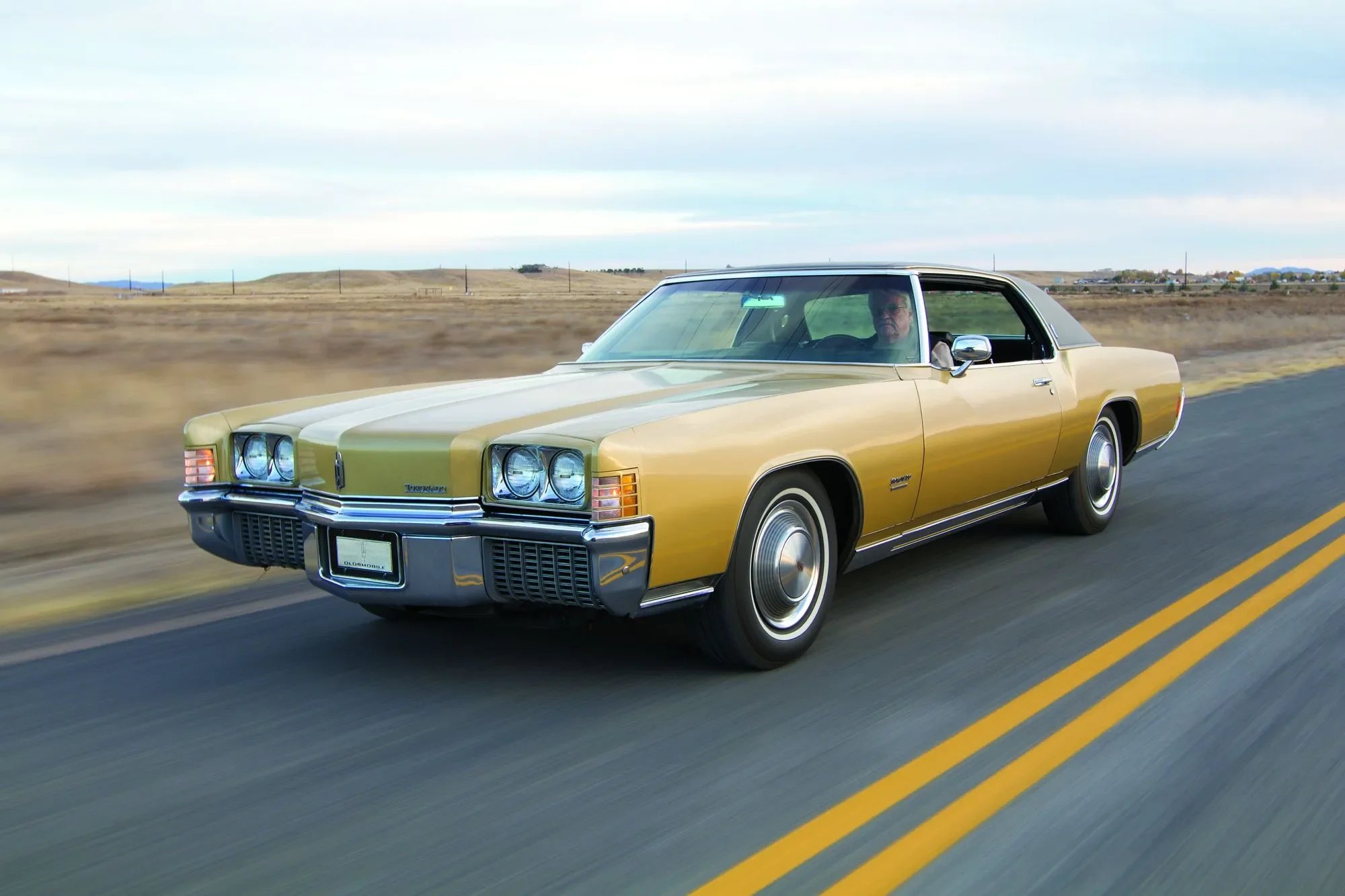
Some of my readers were around in the 80s and saw the Oldsmobile commercial that said, “This is not your father’s Oldsmobile.” The commercial was an attempt to let younger buyers discover what the car manufacturer hoped they would see that now the Oldsmobile was new and improved and better than the old one Dad used to drive.
Marketing campaigns often seek to appeal to our desire to have the newest, latest, and best of anything. And of course, the idea is that the newest is the one we should want because it will always be better than the old. In the 70s, Burger King had a different approach with their “Have It Your Way” campaign. So, do we want it newer and better, or do we simply want it our way?
When we read the final chapter of Jonah, we might discover the universal problem we have with how we want things to function in the world. Chapter four of Jonah opens with Jonah being unhappy with the fact that the Assyrians of the great city of Nineveh had repented of their sin and turned to God. Jonah was not just a little unhappy; he was exceedingly unhappy to the point of anger. And he didn’t hold back in telling God how he felt about it.
In fact, Jonah went on to tell God that this was the very reason he didn’t want to go to Nineveh in the first place. He knew that God would be merciful and gracious to the people Jonah didn’t think deserved God’s mercy and grace. Jonah asked God to just let him die when he was on the boat to Tarshish, and here in the last chapter of Jonah, he asks that God just let him die again. We see this as rather ridiculous of course. But we might want to consider the deeper issue of Jonah’s attitude.
It seems to me that Jonah is angry because he wants to have the world work the way he wants it to work. Jonah wants to have it his way so much that he is angry when God doesn’t do things the way Jonah wants them to be. Have you ever been angry or displeased because you thought that God should do it to your preferences instead of his? I certainly have been guilty of that at times. And maybe having things the father’s way is actually better than our new and improved version of things.
In the beginning, God created things perfectly. In the garden of Eden there was beauty, and things worked gloriously until man decided it was better to have it our way. After all, we know best how things should work. Or at least how we would prefer that they work.
When Jonah got angry, notice what he did. He went and made a booth to sit in because he couldn’t stand it to be in a city that flowed with God’s mercy over people Jonah didn’t like or believ deserved to be liked by God. Creator God had a vine grow up and provide shade for Jonah as he sat and pouted. Instead of being exceedingly angry now, Jonah was exceedingly glad. We always like it when God provides things that make us comfortable, even though we sometimes forget that it was God who provided.
Jonah’s joy lasted just for a few hours because God appointed a worm to eat the vine. And here is when we find Jonah wanting God to let him die a second time; apparently losing the comfort of the shade just took Jonah over the edge.
In that moment God asked Jonah if it was useful or appropriate to be angry over a plant dying. Jonah said it was appropriate. Jonah wanted things to work the way he wanted them to work. The author of Jonah makes his final point by asking if Jonah can pity a plant he didn’t create, then wouldn’t it be appropriate for God to have pity on people created in his image who didn’t know him or fear him and now do. Remember, the Assyrians didn’t have the same information that Jonah had. Jonah was a prophet of God who knew the Genesis story and knew of God’s rescue of the Hebrews from Egypt. Jonah also knew that God was merciful to the Israelites even after they worshipped a golden calf.
God wanted Jonah and us to know that his love and mercy is for all of his creation and not just for the people we want to hang out with or show kindness towards. Maybe our best position is to remember that our Father’s world and his plan is vastly more gracious and merciful than our ideas and plans. And from beginning to the end, we would do far better if we remember that having it God’s way is better than having it our way.
Father, thank you for the many lessons from the book of Jonah. Teach us to love like Jesus loved as we surrender our will to yours. We pray that your kingdom would come and your will be done in us and through us today and every day. In Jesus’ name, amen.
Your Time with God’s Word
Jonah 4:1-11 ESV
To receive daily posts delivered directly to your inbox, complete the form at the bottom of our home page.